





The Self-Storage Industry: Trends, Challenges, and Future | StwoNest
Explore the latest self-storage industry trends, key challenges, and future growth opportunities shaping the way people and businesses store their goods. Read More!
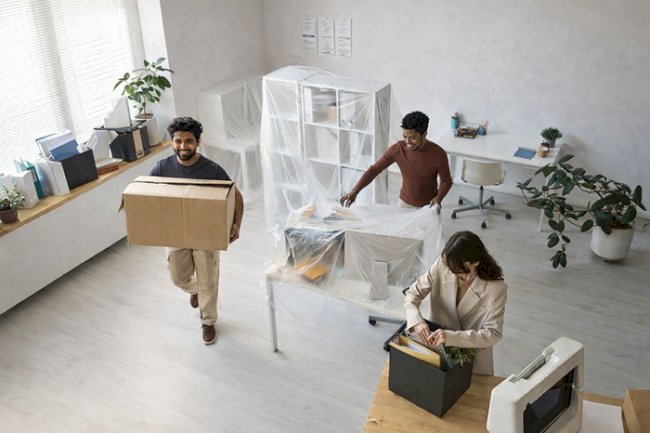
The self-storage industry has transformed over the years from the simple concept of renting out surplus space to a sophisticated, high-tech service industry. Whether it is moving small businesses that need an inventory space or families that would like to declutter their homes, urbanisation has led to a very fast growth in the demand for self-storage. In this blog, we’ll discuss the self-storage industry trends, challenges, and future predictions.
What Is Self Storage?
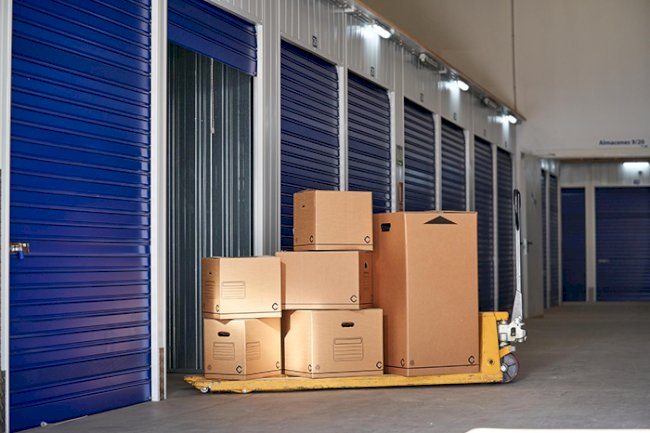
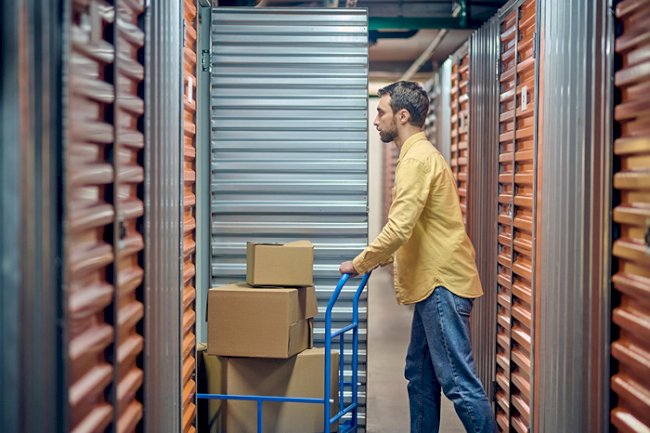
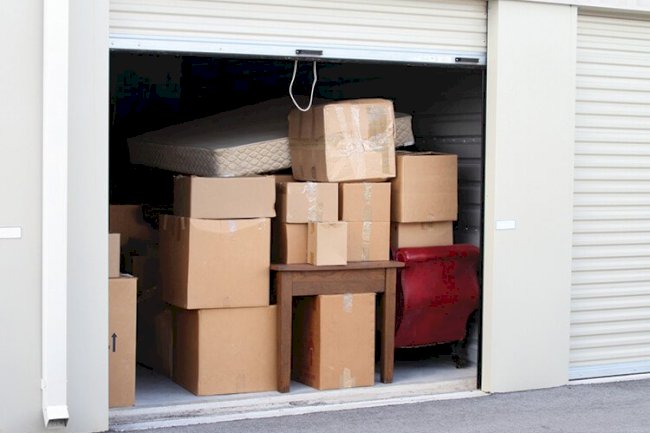
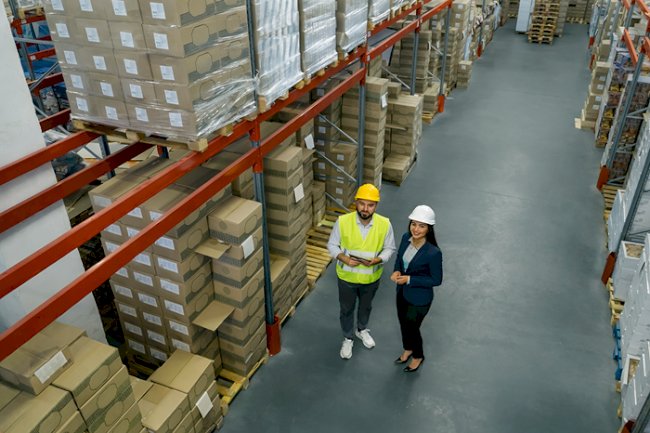
Self-storage facilities present the individual or business entity with secure, accessible areas in which to store valuables for shorter or longer periods. These vary in size, often accompanied by 24/7 access, surveillance, and even climate control.
With the growth of population density in cities, the need for storage has increased. Self-storage Pune and self-storage Delhi have become necessary urban solutions that offer flexibility, safety, and peace of mind for the consumer.
What are the self-storage trends?
Major self-storage industry trends focus on convenience, digital transformation, and flexibility of use. Customers now prefer online booking, automated payments, and transparent pricing. Modern storage facilities boast common features such as a cloud-based management system and a mobile app.
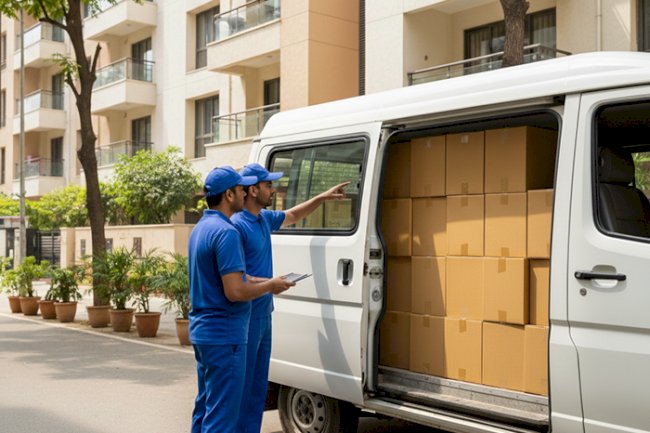
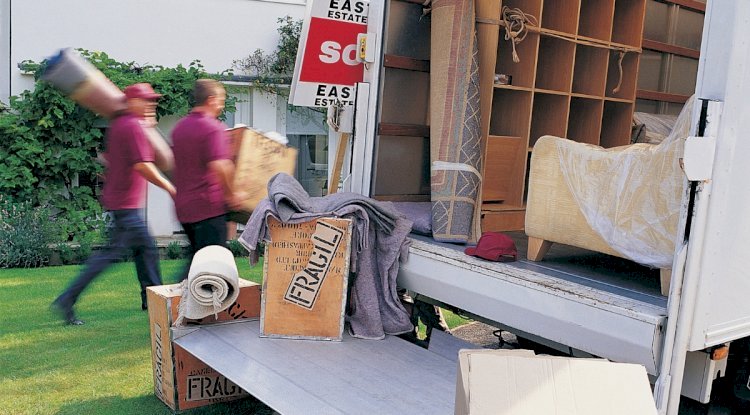
Remote work and small e-commerce businesses also contributed to the demand for compact and inexpensive spaces. Most of the providers nowadays also offer value-added services, such as doorstep pickups and deliveries for both individuals and enterprises.
-
Artificial Intelligence: Smarter Storage Solutions
Artificial Intelligence is now reshaping storage operations. It makes predictive maintenance, dynamic pricing, and automated access control possible. AI-powered technologies enhance safety by identifying odd behaviour and notifying employees immediately.
Leveraging data can help operators anticipate demand, manage prices, and improve customer service. Additionally, chatbot and virtual assistant technologies make communication faster and more efficient.
-
Sustainability: Eco-Friendly Storage Facilities
Sustainability has transitioned into trend positioning for self-storage operations. Many operators are incorporating environmentally friendly elements into their designs, including solar, LED lighting, and other recyclable elements. Energy-efficient construction not only reduces costs but also appeals to environmentally aware customers.
By incorporating sustainable practices, a company maintains credibility in forging on toward a greener future while meeting government-set standards on energy use and emissions.
What Are the Challenges of Self-Storage?
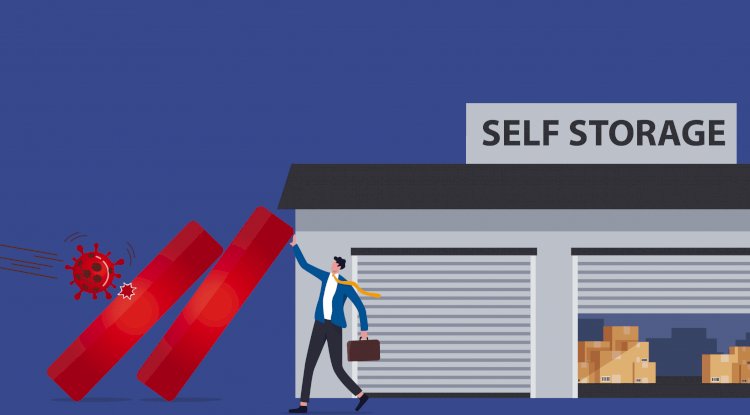
Despite the growth of the industry, there are many concerns. Because of market saturation in urban centres, competition becomes so severe that novelty and differentiation are a must; besides, economic fluctuations and the increase in property costs can make the business less profitable.
Security remains among the top concerns. It is difficult to sustain better safety and controls around operational expenses. Furthermore, meeting safety obligations to comply with regulations and ensuring consistent application of service quality is also challenging.
-
Customer Service and Interaction
Customer expectations are evolving: they want speed and a digital experience, and to interact with someone who personalises their experience. A more reliable booking experience with updates to give them confidence in their experience
Purchasing decisions are driven strongly by online reviews and social media engagement. Also, focusing on the experience builds trust and long-lasting loyalty in a competitive marketplace.
-
Operational Efficiency
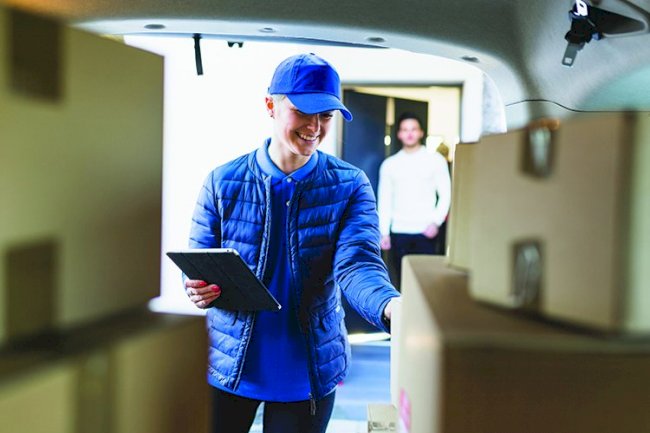
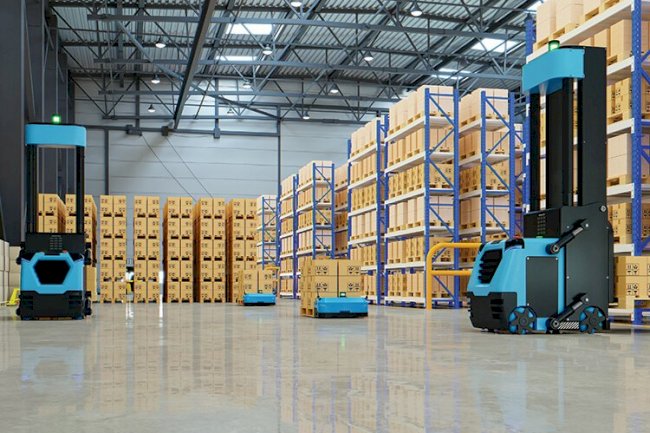
Controlling operating expenses and, importantly, operational efficiency propels success in self-storage. Many of the facilities are using automation for gate access, monitoring, and maintenance tracking. Centralised software allows real-time updates and efficient resource management.
Streamlined operations, cost savings, reduced human error, and improved customer journey from booking to bill.
Future of Self Storage
It is innovation and sustainability that drive the future of self-storage. Soon, industry norms will be contactless access, smart lockers, and remote monitoring. More secure, more connected, more eco-conscious solutions will be expected by customers.
As more people move into urban environments, so too will the growth of storage in Pune, Delhi, and other urbanised areas. The number of self-storage companies, whether self-storage in Pune or self-storage in Delhi, will grow at a steady pace to meet the growing demand from the population, both from households and businesses.
-
Time to Leverage Automation
Automation is going to persist in changing the landscape of facility management and improving the customer experience, from AI-based pricing to automated verification. Automation will create a more efficient operation while providing security. Automation provides faster service, increased transparency, and improved cost effectiveness.
-
Data Driven Decision Making
Data analytics is an effective way to identify customer behaviour. This provides the operator a valuable roadmap to making quality decisions regarding selling prices and marketing efforts based on seasonal demand, rental cycle, and demographics.
Conclusions
The future of self-storage will largely reflect innovation, sustainable practices, and a strong customer experience focus. The industry is experiencing increasing demand in most metropolitan markets and has an obligation to continually advance with innovative technology efficiently.
At Stownest, we are at the forefront of this change, offering secure, affordable, and technology-enabled storage solutions for every customer. Whether you are looking for self-storage in Delhi or self-storage in Pune, Mumbai we at Stownest provide an easy, safe, and intelligent experience that will help change how customers think about space.
What's Your Reaction?