





Self-Storage vs Warehouse Storage: Which is Better?

Space runs out faster than you expect. Self-storage and warehouse storage both solve a space problem, but in very different ways. One gives you a private, lockable unit on your own terms. The other is a managed commercial facility built for bulk and logistics.

Self-Storage vs Warehouse Storage: Which is Better?

Space runs out faster than you expect. Self-storage and warehouse storage both solve a space problem, but in very different ways. One gives you a private, lockable unit on your own terms. The other is a managed commercial facility built for bulk and logistics. 

Mixing them up could cost you more than you might anticipate. That’s why, in this blog, we'll see exactly how the two differ, and which one is ideal for you.

1. What Is Self-Storage?

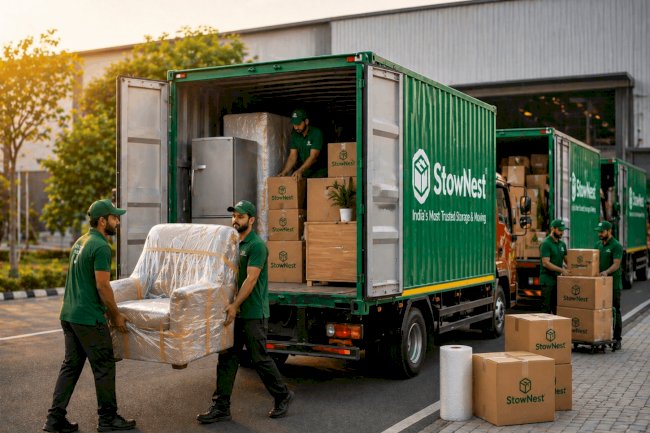
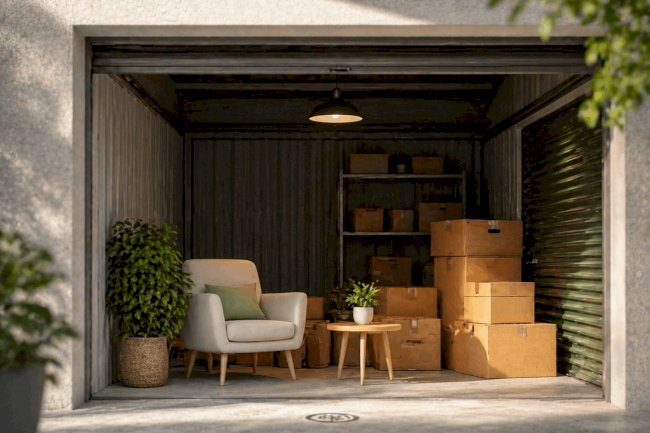
A self-storage unit is a dedicated space you rent within a secure facility. You manage it yourself, organising your items, visiting when needed, and scaling up or down as your requirements change. It's commonly used for storing furniture during a move, seasonal items, office equipment, and business inventory that doesn't need daily handling.

2. What Is Warehouse Storage?

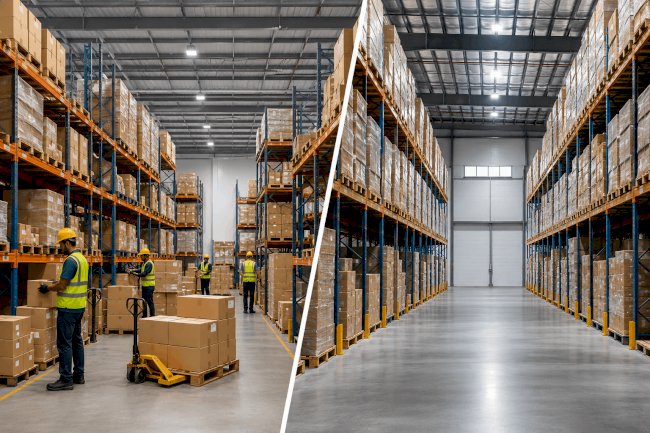
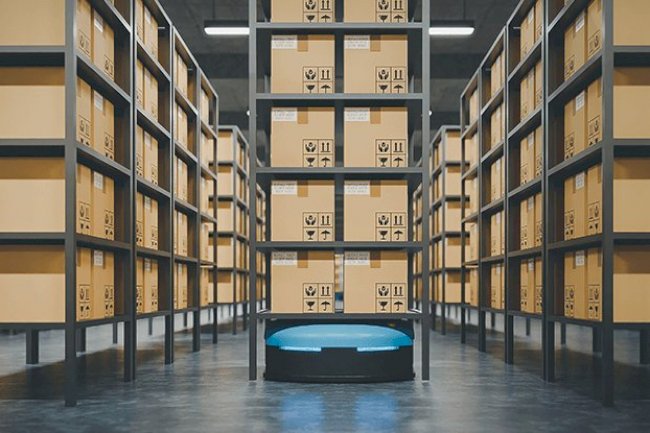
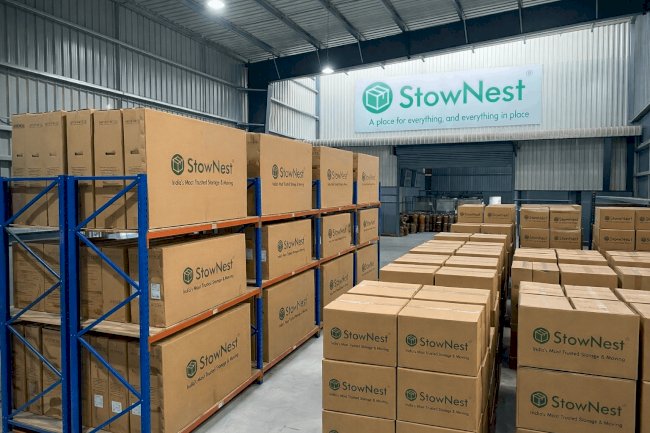
Warehouse storage is a professionally managed facility designed for commercial operations that regularly handle high volumes of goods. A trained team stores, tracks, and moves stock, with loading bays, pallet racking, and logistics support built into the setup.

What Are the Key Differences Between Self-Storage and Warehouse Storage?

Factor Self-Storage Warehouse Storage
Space Small units, personal scale Large-scale, bulk capacity
Access Flexible, often 24/7 Scheduled, staff-managed
Security Individual locks, CCTV, gated entry Facility-level security, staff monitoring
Cost Pay for space only Includes handling and management fees
Flexibility Month-to-month, easy to scale Longer commitments, less flexible
Inventory Furniture, documents, retail stock Bulk goods, machinery, large inventory
Management Individual renters (DIY) Professional Warehouse Team

3. How Does Storage Space Compare?

Self-storage units are available in various sizes, from small lockers to garage-sized spaces. They work well for storing household items like furniture, appliances, and documents, as well as for small businesses keeping overflow inventory.

Warehouses operate at a completely different scale. High ceilings, loading docks, pallet racking, and forklifts are standard. If you're moving significant volumes of product regularly, self-storage simply won't cut it.

If you need self-storage in Hyderabad, StowNest offers unit sizes suited to different needs, from a single room's worth of belongings to a small business's stock.

4. Which Option Is More Flexible?

Self-storage wins here. Most facilities offer month-to-month rentals, so you're not locked into a long contract. You can upsize, downsize, or move out with minimal friction. That's ideal for seasonal needs, office relocations, or growing businesses testing the waters.

Warehouse storage typically requires longer commitments. The trade-off is that you gain access to inventory management, logistics support, and staffed operations, which are significant when dealing with large volumes daily.

5. Why Is Security Important And Which Is Safe?

Self-storage vs. a warehouse offers security, but the structures are different. Self-storage facilities generally provide CCTV coverage, gated entry, and individual unit locks, meaning only you have access to your specific space so that you can stash your personal items and sensitive documents safely.

Warehouses offer facility-wide security, providing guards, surveillance, and restricted zones. But your items are in a shared space handled by staff. It makes sense when you want to store fragile, high-value, or private belongings.

6. What is the Cost for both Self-Storage and Warehouse Storage Options?

Self-storage pricing is straightforward. You pay for the unit size, nothing more: no handling fees, no loading charges.

Warehouse costs can include storage fees, handling charges, loading and unloading costs, and, in some cases, minimum commitment requirements. For businesses shipping high volumes regularly, these costs can balance out over time. But for personal or small-scale use, warehouse storage often ends up more expensive than it first appears.

7. Which Storage Works for You?

For most households, individuals, and small businesses, self-storage is the practical choice because it is affordable, accessible, and flexible. If you're storing furniture during a move, managing seasonal stock, or simply need a secure place for documents and equipment, it covers everything you need.

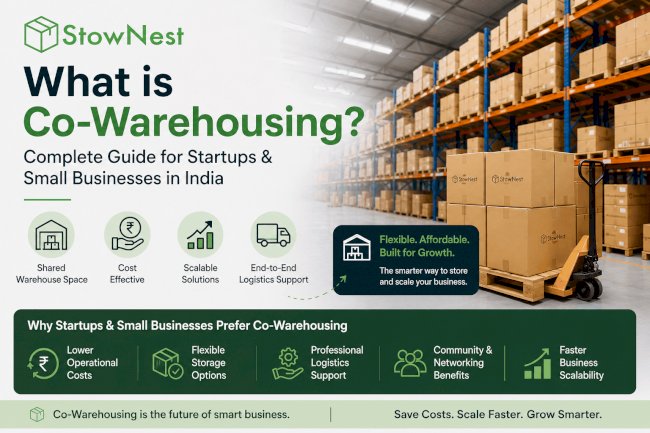
Warehouse storage makes sense when your business handles bulk inventory, makes frequent shipments, or needs logistics support.

Looking for household storage in Pune or flexible options across cities? We at StowNest offer units that are in line with your schedule and budget, and the best part is that you pay only for the space you use. Another perk is that you can rent extra commercial space during seasonal spikes. 

Make the right choice for the right space and for more details contact our team at +91-80888-87750

FAQs

  1. Is self-storage cheaper than warehouse storage? 

For personal and small business use, yes. Self-storage charges only for space. Warehouse storage adds handling, management, and access fees that build up over time.

  1. Is warehouse storage good for household furniture? 

Generally, no. Furniture can get scratched or damaged through repeated handling in a shared warehouse environment. Self-storage, with minimal handling and a private unit, is far better suited.

  1. Which storage is better for documents? 

Self-storage. Clean, dry, personal units keep documents secure. Warehouse environments aren't designed for sensitive personal files.

  1. Can small businesses use self-storage? 

Absolutely. Self-storage is well-suited for small businesses, online sellers, and startups that manage inventory, tools, or paperwork. It's flexible, cost-effective, and easy to scale.

  1. When should a business switch to warehouse storage? 

When stock volumes grow significantly, when daily shipments become part of operations, or when you need inventory management support, that's typically when warehouse storage becomes a more practical option.

What's Your Reaction?

like
0
dislike
0
love
0
funny
0
angry
0
sad
0
wow
0