The Evolution of Self Storage Units in India | StowNest
From informal godowns to tracked, insured, app-visible storage here's how self-storage units in India actually evolved into what they are today.
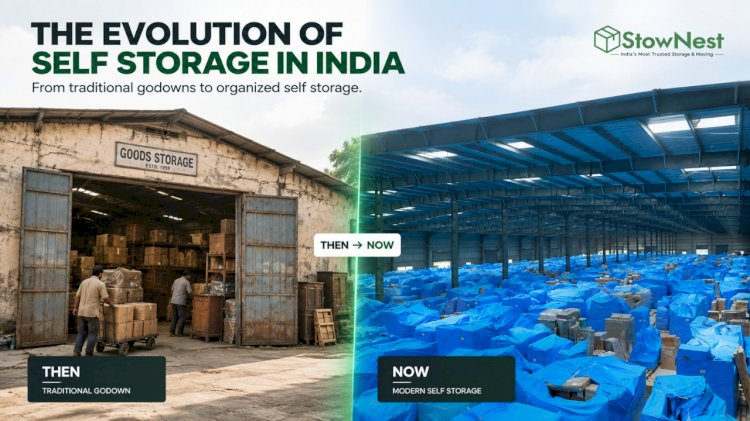
Self storage units in India used to be unorganized godowns with manual registers and minimal security. Over the two decades self storage units have changed into an organized self storage industry that offers barcode tracking, defined insurance, 24/7 monitoring and app-based visibility. This change is driven by shrinking housing, rising job mobility and growing demand, for accountable tech‑enabled smart storage.
Where Self Storage in India Actually Began
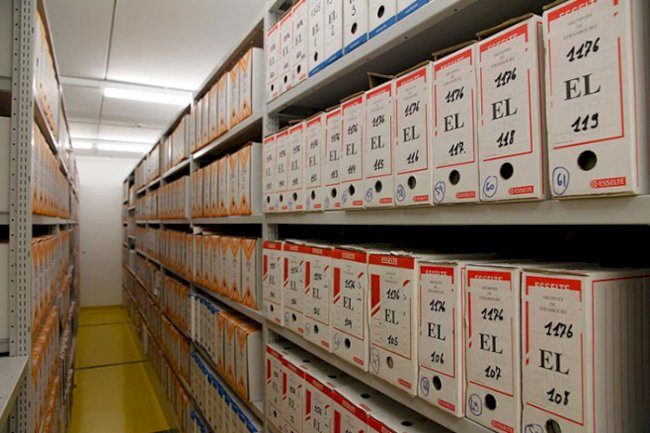
Before the idea of "self storage" became familiar in India people used something close to it, what they called a neighbourhood godown. These were warehouse spaces, rented informally managed by a caretaker who kept a paper register to note what was stored. There was no price. No insurance. No way to check on your things unless you went there in person. It worked because people didn’t expect much.. Moving wasn’t something that happened often. Life was slower. Things stayed in place.
What Changed the Equation
A few forces pushed this model toward something more structured. Urban housing in cities became smaller and costlier leaving less space at home for items people weren't willing to get rid of. Job mobility rose quickly as India's services and IT industries expanded meaning people moved more often than previous generations. And as organized reta began wanting the clarity and responsibility, from storage that they had come to expect in other areas.
The Rise of the Organized Self Storage Industry
This is where the modern self storage industry in India really began to take shape. Of just a single godown with a paper ledger organized providers started offering clear and structured services. Things like security monitoring, guaranteed insurance coverage and proper inventory management. The pricing also changed. It moved away, from a one-size-fits-all unit to models that depended on what customers were storing. This worked better for India’s diverse needs whether for households or businesses. A fixed unit size could never have handled this range well as these new models did.
What "Smart Storage" Looks Like Today
Today's storage units in India look very different from the era. Barcode tracking now gives every stored item a digital record, rather than a vague line, in a register. Round-the-clock CCTV monitoring has replaced a watchman as the main line of security. App-based visibility lets customers check on their belongings through photos and updates without needing to visit in person. Defined insurance coverage has replaced the informal unspoken understanding that things would probably be fine.
Why Valet Storage Became Part of This Evolution
One of the changes with "smart" tracking has been the rise of valet storage providers. These companies pick up belongings directly from a customer’s home. Deliver them back when needed. They eliminate the need to visit a storage facility all. This model has grown fast in India in crowded cities, with heavy traffic. For people traveling to a storage place is the most inconvenient part of the whole experience. So having someone come to their home makes everything easier. It saves time. Reduces stress. People are finding that valet storage is very convenient and its popularity is growing day by day. Many people now think valet storage is a way to keep their belongings safe and organized.
Why This Evolution Happened Faster in Some Cities Than Others
Metros with the housing pressure and the fastest job mobility—Bangalore, Mumbai, Hyderabad, Pune and others, with strong IT and services sectors saw organized tech-enabled storage take hold earliest. This happened because the informal godown model broke down fastest under demand. As similar pressures spread to cities organized storage has followed the same pattern nationally.
From a Godown Ledger to a Tracked, Insured System
The story of self storage in India isn't really about warehouses getting bigger or fancier. It's about accountability catching up to demand. What started as an arrangement built on trust has become a genuinely organized industry, shaped by a country that moves more, expects more transparency and has less patience for storing belongings on hope alone.
Key Takeaways
-
Self storage in India started as godown storage with manual registers and little security.
-
Urban homes are. People move jobs more often which pushed the need for a more organized and accountable model.
-
Today modern self storage units provide barcode tracking 24‑hour monitoring, clear insurance and app‑based visibility.
-
Valet storage, where providers pick up and deliver belongings has become a part of this progress.
-
The same trend now reaches usage‑based storage, for small and mid‑size companies.
Frequently Asked Questions
1. How did self storage units in India evolve over time?
I have seen self storage units in India evolve from godown storage with manual registers into an organized industry that offers barcode tracking, defined insurance and app‑based visibility.
2. What is valet storage? How is it part of this evolution?
I have noticed valet storage means a provider picks up and delivers your belongings directly removing the need to visit a facility, a shift from the traditional drive‑to‑a‑godown model.
3. Why did the self storage industry in India become more organized?
I think shrinking housing, increasing job mobility and rising expectations for transparency shaped by organized retail and e‑commerce all pushed the self storage industry toward accountability.
5. What makes storage "smart" compared to storage units in India?
Smart storage includes barcode tracking, 24/7 monitoring and app‑based visibility compared to a godowns manual register and minimal security.
Click Here To See More
What's Your Reaction?