10 Must-Have Tips for a Stress-Free Moving Experience
Are you feeling overwhelmed at the thought of moving? Don't worry, we've got you covered! In this article, we will share with you 10 must-have tips for a stress-free moving experience. Moving can be a daunting task, but with the right approach and a little bit of planning, you can make the process much smoother. Whether you're moving across the country or just down the street, these tips will help you stay organized, save time, and minimize stress. From decluttering and packing efficiently to hiring the right professional movers, we'll cover all the essential steps to ensure a seamless transition to your new home. So, grab a pen and paper and get ready to take notes, because these tips are game-changers when it comes to making your move as stress-free as possible. Say goodbye to those moving headaches and hello to a smooth and hassle-free relocation!

Importance of a stress-free moving experience:
Are you feeling overwhelmed at the thought of moving? Don't worry, we've got you covered! In this article, we will share with you 10 must-have tips for a stress-free moving experience. Moving can be a daunting task, but with the right approach and a little bit of planning, you can make the process much smoother. Whether you're moving across the country or just down the street, these tips will help you stay organized, save time, and minimize stress. From decluttering and packing efficiently to hiring the right professional movers, we'll cover all the essential steps to ensure a seamless transition to your new home. So, grab a pen and paper and get ready to take notes, because these tips are game-changers when it comes to making your move as stress-free as possible. Say goodbye to those moving headaches and hello to a smooth and hassle-free relocation!
Hiring professional movers vs. DIY moving:
Moving is often considered one of life's most stressful events, but it doesn't have to be that way. A stress-free moving experience can make all the difference and set the tone for a positive start in your new home. By taking the time to plan and prepare, you can alleviate much of the anxiety and chaos that often accompanies a move. From reducing the risk of damage to your belongings to saving time and energy, a stress-free move allows you to focus on the excitement of a new chapter in your life. So, let's dive into the tips that will help make your move a stress-free one.
Tips for decluttering and organizing before the move:
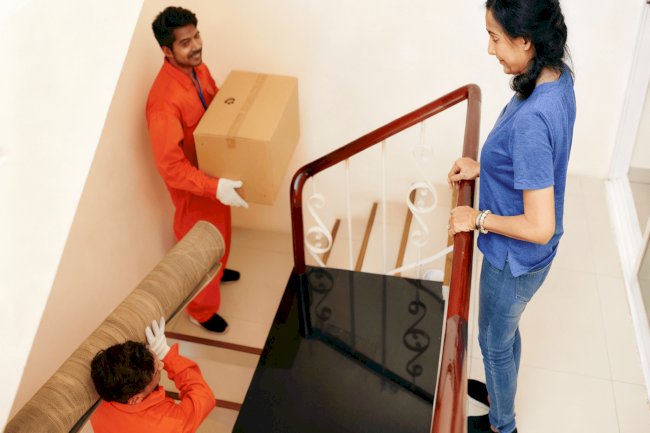
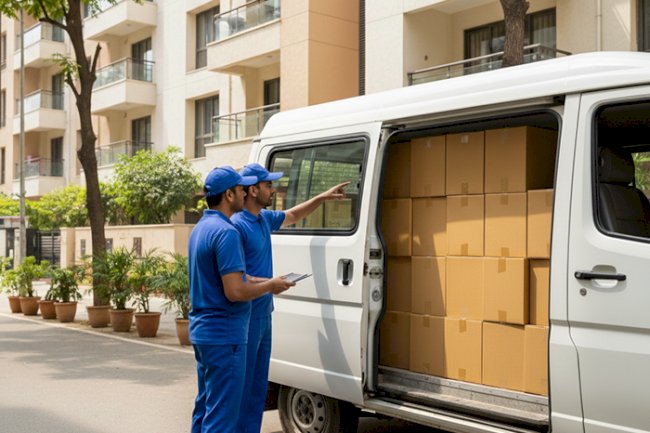
The first decision you'll need to make is whether to hire professional movers or tackle the move yourself. While DIY moving may seem like a cost-effective option, it's important to consider the time, effort, and potential risks involved. Professional movers have the experience, equipment, and expertise to handle your move efficiently, minimizing the chances of injury or damage to your belongings. They can also provide additional services such as packing and unpacking, which can be a huge time-saver. If you have a limited budget or prefer to have full control over your move, DIY moving can be a viable option. However, it's important to weigh the pros and cons and make an informed decision based on your specific needs.
Creating a moving checklist and timeline:
Moving provides the perfect opportunity to declutter and get rid of items you no longer need or want. Before you start packing, take the time to go through each room and assess your belongings. Separate items into categories such as keep, donate, sell, and throw away. Be ruthless in your decision-making process and only keep items that you truly need or have a sentimental value. Not only will decluttering save you time and money during the move, but it will also help you start fresh in your new home. Once you have decluttered, it's important to organize your remaining belongings. Use storage bins, label boxes, and create an inventory list to keep track of what's being packed. This will make unpacking and settling into your new home much easier.
Packing efficiently and effectively:
A moving checklist is an essential tool for staying organized and on track during the moving process. Start by creating a comprehensive list of all the tasks that need to be completed before, during, and after the move. Break down the list into manageable sections such as packing, utilities, change of address, and cleaning. Assign deadlines to each task and prioritize them based on their importance. Having a timeline will help you stay focused and ensure that nothing falls through the cracks. It's also a good idea to share the checklist with any family members or friends who are assisting with the move. This way, everyone is on the same page and knows what needs to be done.
Labeling and organizing boxes for easy unpacking:
Packing is often the most time-consuming part of the moving process. To pack efficiently, start by gathering all the necessary packing supplies such as boxes, tape, bubble wrap, and packing paper. Begin with items that you don't use on a daily basis, such as seasonal clothing or decorative items. Pack similar items together and label each box with its contents and the room it belongs to. This will make unpacking a breeze and help you locate specific items when needed. Consider using color-coded labels or a numbering system to further streamline the process. Don't forget to reinforce the bottom of each box with extra tape to prevent it from breaking during transit. Finally, pack a separate essentials box with items you'll need immediately upon arrival, such as toiletries, bedding, and a change of clothes.
Tips for moving fragile or valuable items:
Proper labeling and organization of boxes is key to a smooth and stress-free unpacking process. As you pack, use clear and descriptive labels on each box. Include the contents of the box and the room it belongs to. This will save you time and frustration when it comes time to unpack. Consider color-coding your labels to further streamline the process. For example, use red labels for kitchen items, blue labels for bedroom items, and so on. This will make it easy for movers or helpers to place the boxes in their designated rooms. Additionally, create a master list or spreadsheet that details the contents of each box. This will come in handy if you need to locate a specific item quickly.
How to handle utilities and address changes:
Moving fragile or valuable items requires extra care and attention. Start by wrapping delicate items individually in bubble wrap or packing paper. Place them in sturdy boxes and fill any empty spaces with packing peanuts or newspaper to prevent shifting during transit. Label the boxes as fragile and indicate which side should be kept upright. If you have valuable items such as jewelry or important documents, consider packing them separately and transporting them yourself. This will ensure that they remain safe and secure throughout the move. If you're unsure about how to pack a specific item, consult with professional movers or seek advice from experts in the field.
Managing the logistics of moving day:
To minimize post-move stress, it's essential to take care of utility transfers and address changes well in advance. Contact your utility providers and schedule the disconnection of services at your current address and the connection of services at your new address. This includes electricity, gas, water, internet, and cable services. Make sure to provide the necessary information and set up dates for the transfer that align with your moving timeline. Additionally, notify your bank, credit card companies, insurance providers, and any other relevant organizations of your change of address. Update your address with the post office to ensure that your mail is forwarded to your new home. Taking care of these tasks ahead of time will save you from unnecessary headaches and ensure a smooth transition.
Settling into your new home and reducing post-move stress:
Moving day can be chaotic, but with proper planning, you can minimize stress and ensure a smooth process. Start by confirming the details with your professional movers or helpers. Provide them with clear instructions on what needs to be moved and any specific requirements you may have. If you're handling the move yourself, enlist the help of friends or family members and ensure that everyone is aware of their responsibilities. Pack a moving day essentials bag with items such as snacks, water, important documents, and basic tools. This will keep you prepared and avoid scrambling for necessities on the day of the move. Finally, make sure to secure parking space for the moving truck, whether it's by reserving a spot or obtaining the necessary permits.
What's Your Reaction?