From Hand Carts to Barcode Tracking: The Real Story of Packers and Movers in India
From informal local labour to barcode-tracked, insured moves, here's how packers and movers evolved in India, and how StowNest approaches it today.
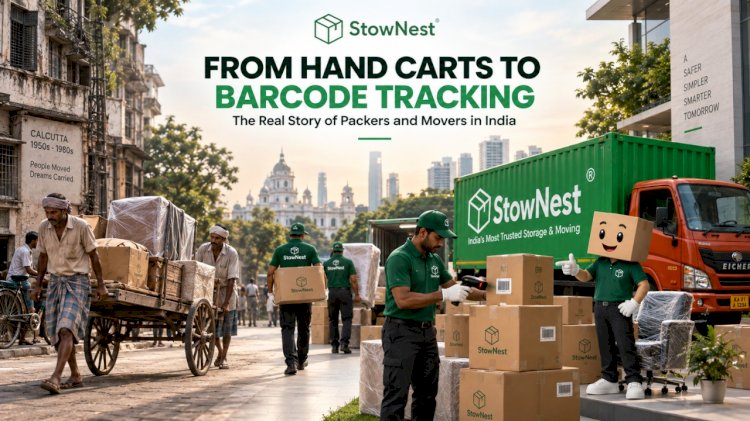
Packers and movers in India used to be a semi-formal system based on local labor, hand-carts, and verbal agreements. There was no information about price and they were practically unaccountable. This system has drastically changed in the last two decades as people have started moving more frequently and as families have started to become nuclear. There are now better expectations for systems to be orderly and for the security of the service to be assured. StowNest is one of the many service providers that have emerged to fill this customer demand for service that offers itemization of price, careful handling and for the first time in India accountability for any damage that may possibly occur.
How It Used to Be
Over the last hundred years or so, moving a household in India required a labor contractor, a few workers, and a cart, shared taxi, or even a small tempo. There was on-the-spot, informal, and negotiated pricing. A record of what was packed, loaded, or delivered was nonexistent.
This worked well enough for a slower moving India where families stayed in the same homes for multiple generations. A move was not expected to happen multiple times in a lifetime.
The Beginning of the Transition
A few large shifts began to move this informal system to a more formal organization. As India’s economy grew, people began to move from city to city for work. Earlier generations did not do this as often. Also, nuclear families began to move out to live on their own rather than living in a joint family system. All of these things combined to begin the movement of more smaller distance moves rather than fewer larger distance moves. In addition, when organized retail and online shopping began, and deliveries began to be tracked and showed progress, people became accustomed to that same level of visibility for the move of their entire household.
Why the Industry Is Booming Now
From being a cottage industry a few years ago, relocation services have evolved to become a full-fledged, large, and competitive industry in urban India today. With more dynamism in urban housing markets, people now move more frequently to avail rentals or better/upgraded accommodations; they also move to smaller accommodations or to make way for redevelopment. The added demand comes from businesses that relocate their offices or from businesses that manage their logistics. With people becoming more comfortable booking services online, it has got easier for people to book moving services without even meeting the company.
How People Actually Use It Today
People today don’t think of relocation services as a one-time big-ticket expense. Usage of relocation services has increased for work-based shifts, taking the first step towards independence by moving out of the parental home, downsizing due to life events, dealing with redevelopment notices, or just to enjoy a better standard of living. The bar has been set higher for moving services offering better protection for shipments, lower cost, and fully transparent pricing.
Packing and Moving with StowNest
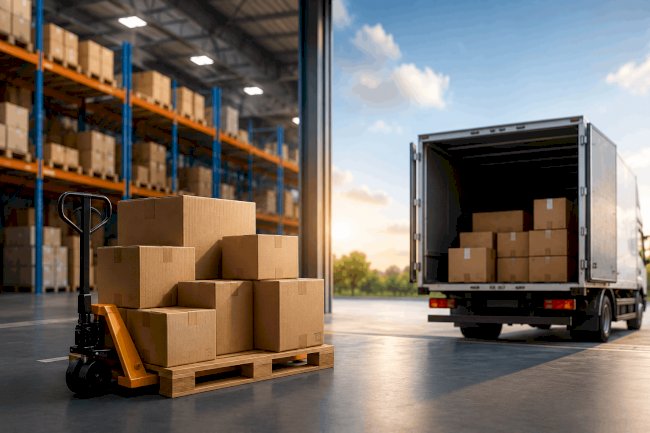
StowNest's packing and moving has shifted from informal to formal methods. Before anything happens, the customer has to talk with one of StowNest's customer service representatives. They talk about the packing, the moving, the location, the goods, etc. Once the customer service representative has that information, the packers will use the appropriate packing materials for each item. They will use cushioning for fragile items. For furniture, they will use materials to protect the furniture's corners and surfaces. Prior to packing, some furniture may need to be disassembled. This is done if the furniture will not fit through the moving locations. However, this is done so that furniture will not be forced through and damaged.
How StowNest Means Security and Safety
Instead of providing the generic answer of “we’ll take care of it,” StowNest has pre-built protections for their clients. When a client’s property is damaged while in the StowNest care, whether during storage or transportation, StowNest is liable for the repair or replacement of the damaged property. This is a Firm commitment, rather than a verbal reassurance. Along with the other services that are provided for storage (24/7 cctv surveillance, frequent pest control, inspection of the warehouse, item tracking and insurance for theft, fire and acts of nature for up to ₹2.5 Lakhs). Unlike most companies, clients are not forced to take the time to physically go to the storage facility to check on their goods.
Why This Approach Matters
In the past, insufficient systems forced entrepreneurs to rely on trust, and that was the only recourse. Today, when a household move can mean years of belongings laced with sentimental value and real dollar signs, trust is not sufficient. People need to see clear pricing, insurance, real accountability, and other things that give them the confidence to book a service over simply hoping for the best.
From Hand Carts to Tracked, Insured Moves
Packers and movers have certainly come up from offering a shared tempo for a negotiated price. Given the rapidly developing Indian economy, and a population that is moving more and displays less patience for an unorganized, trust-driven system, StowNest's focus on an industry that offers itemized pricing, careful hauling, and real accountability is a step in the right direction for a trustworthy moving industry in India.
Key Takeaways
-
Packers and movers in India began as an informal system with negotiated pricing and no real accountability.
-
Job mobility, nuclear family living, and rising service expectations have driven the industry's growth into an organized sector.
-
People today use movers far more frequently than in the past, for job changes, downsizing, redevelopment, and housing upgrades.
-
StowNest's process includes proper packing materials, careful furniture handling, and defined responsibility for damage.
-
Security measures for stored belongings include 24/7 CCTV, regular pest control, barcode tracking, and insurance up to ₹2.5 lakhs.
Frequently Asked Questions
1. How did packers and movers services begin in India?
They started as an informal arrangement of local labour and hand carts with unofficial contracts and charging what you think is ‘fair’.
2. Why is the packers and movers industry so important now?
With greater job flexibility, an increase in the number of nuclear families, and rising needs of transparency, accountability, amongst other things, the industry has become so much more important.
3. What safety measures do StowNest involve in packing and moving?
StowNest emphasizes responsible packing with materials appropriate for the items being packed, moving and transporting, careful maneuvering of furniture, and taking responsibility for the upkeep of items stored and moving.
4. Does StowNest offer storage insurance?
Yes, StowNest offers insurance coverage up to ₹2.5 lakhs on storage items for theft, fire etc.
Click Here To See More
What's Your Reaction?